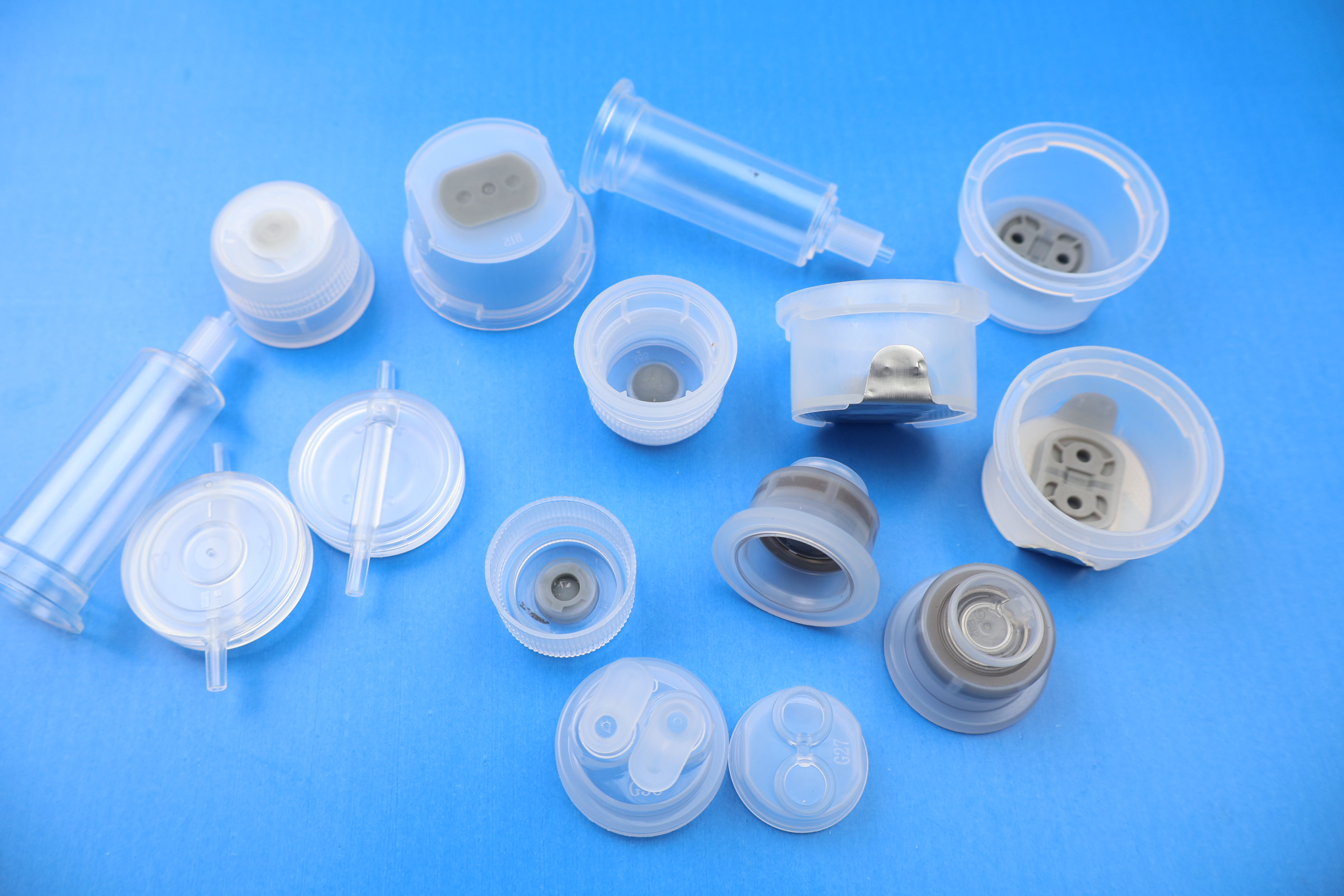
Introduction: The Critical Crossroads of Material SelectionSelecting the right flexible material is a foundational decision in product design, impacting cost, performance, user safety, and manufacturability. While PVC, Silicone, and Thermoset Rubber have been longstanding options, Thermoplastic Elas
READ MOREIn the rapidly evolving world of material science, Thermoplastic Elastomers (TPEs) have emerged as a game-changing solution, bridging the gap between the flexibility of elastomers and the processability of thermoplastics. As industries increasingly demand materials that combine performance, sustaina
READ MOREWhen selecting materials for flexible applications, TPE is increasingly replacing traditional rubber and PVC. Understanding the advantages of TPE helps manufacturers make better material decisions.
READ MORETPE is one of the most sustainable polymer materials in modern manufacturing.The biggest advantage of TPE is its recyclability. Scrap and defective products can be reused, greatly reducing material waste. TPE processing consumes less energy than rubber, helping lower carbon emissions. It is lightwei
READ MORE